+91-8828813630
The Complete Guide to Structural Steel Grades and Their Applications
Understanding Structural Steel Fundamentals
Selecting the right structural steel grade can make or break a construction project's success, safety, and budget. This comprehensive guide addresses the critical need for engineers, fabricators, contractors, and project managers who must navigate the complex landscape of steel specifications for modern construction projects.
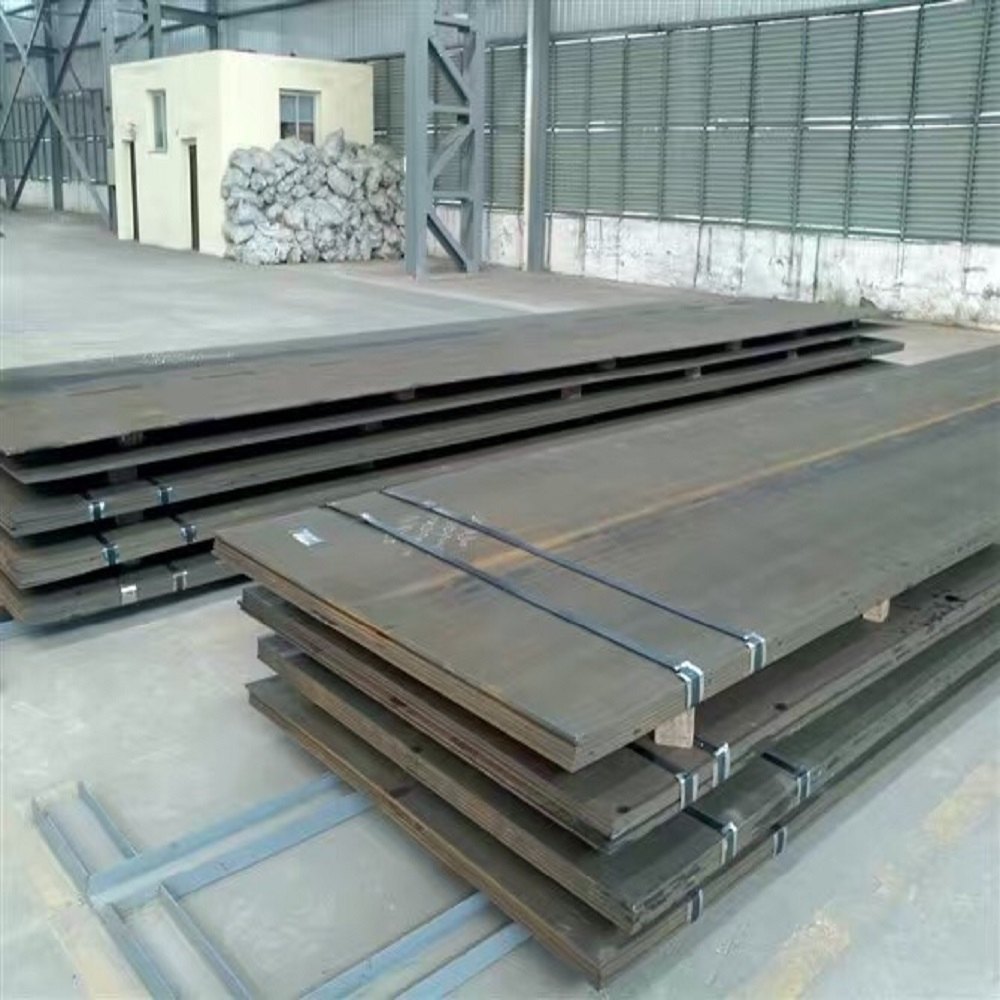
Understanding structural steel fundamentals becomes essential when working with advanced materials like High Strength Low Alloy Steel Plate and High Strength Structural Steel Plate. These materials offer superior performance characteristics that traditional carbon steels cannot match. The guide explores how specialized grades such as S700MC Plates, WELTEN 780LE Plates, and HITEN 780LE deliver exceptional strength-to-weight ratios for demanding applications.
The classification systems for structural steel grades provide the framework for making informed material selections. Different standards organizations have developed various naming conventions, making it challenging to compare options like S690 QL plates against SAILMA 350 or SAILHARD 200 BHN grades. This guide breaks down these systems into practical, actionable information.
Advanced applications require sophisticated steel solutions, and high-strength grades have revolutionized what's possible in modern construction. Projects now routinely specify materials that would have been considered exotic just decades ago, pushing the boundaries of structural design and performance expectations.
Readers will discover how to match specific steel grades to construction requirements, analyze cost-benefit relationships across different material options, and implement proper quality control measures that ensure project specifications are met consistently.
Key Properties That Make Steel Superior for Construction
Steel stands out as the backbone of modern construction due to its exceptional combination of strength, ductility, and versatility. The material's high tensile strength allows structures to bear enormous loads while maintaining structural integrity under extreme conditions. This strength-to-weight ratio surpasses most other construction materials, enabling architects and engineers to design taller buildings and longer spans with less material.
Ductility represents another critical advantage, allowing steel to deform under stress without sudden failure. This property proves essential during seismic events or unexpected load conditions, giving structures the ability to bend rather than break catastrophically. The material's excellent weldability enables seamless connections between components, creating continuous load paths throughout the structure.
Steel's consistency and predictability make it ideal for complex engineering calculations. Unlike natural materials that vary significantly in properties, manufactured steel products maintain uniform characteristics, allowing engineers to design with confidence. The material's resistance to creep under sustained loads ensures long-term structural stability, while its ability to perform across wide temperature ranges makes it suitable for diverse climatic conditions.
Modern steel grades like High Strength Low Alloy Steel Plate and High Strength Structural Steel Plate offer enhanced properties through controlled chemical composition and processing techniques. These advanced materials provide superior strength characteristics while maintaining excellent workability and weldability.
How Steel Grades Impact Performance and Safety
Different steel grades directly influence a structure's performance characteristics, load-bearing capacity, and overall safety margins. The selection of appropriate grades determines whether a building can withstand design loads, resist environmental stresses, and maintain serviceability throughout its intended lifespan.
Grade selection affects the structure's response to dynamic loads, including wind forces, seismic activity, and live loads. Higher-grade steels like S700MC Plates and WELTEN 780LE Plates provide increased yield strengths, allowing for smaller cross-sections while maintaining required capacity. This reduction in member size translates to lighter structures, reduced foundation requirements, and potential cost savings in other building systems.
The impact on safety extends beyond basic strength considerations. Premium grades such as HITEN 780LE and S690 QL offer superior toughness characteristics, providing better resistance to brittle fracture at low temperatures. This enhanced toughness becomes critical in regions experiencing extreme weather conditions or structures subjected to impact loads.
Fire resistance varies significantly among steel grades, affecting evacuation times and structural integrity during emergencies. Some specialized grades maintain their strength longer under elevated temperatures, providing additional safety margins during fire events.
| Steel Grade | Yield Strength (MPa) | Primary Application | Key Safety Feature |
|---|---|---|---|
| SAILMA 350 | 350 | General Construction | Good Weldability |
| S690 QL | 690 | Heavy Construction | Low Temperature Toughness |
| WELTEN 780LE | 780 | Advanced Structures | High Strength-to-Weight |
Essential Terminology Every Professional Should Know
Understanding steel terminology forms the foundation for effective communication among project stakeholders and ensures proper material specification and application.
Yield Strength represents the stress level at which steel begins permanent deformation. This critical value determines the maximum working stress engineers can apply while maintaining elastic behavior. Materials like SAILHARD 200 BHN provide specific yield strength characteristics suitable for particular applications.
Tensile Strength indicates the maximum stress steel can withstand before failure. This ultimate strength value provides the safety margin beyond yield strength and influences material selection for critical applications.
Elongation measures the steel's ability to stretch before breaking, expressed as a percentage of the original length. Higher elongation values indicate better ductility and energy absorption capacity.
Charpy V-Notch Toughness quantifies the material's resistance to brittle fracture, particularly important for structures exposed to low temperatures or impact loads. Advanced grades maintain high toughness values across wide temperature ranges.
Carbon Equivalent represents the combined effect of carbon and other alloying elements on weldability. Lower carbon equivalent values generally indicate better weldability and reduced risk of heat-affected zone cracking.
Hardness Values like those specified for SAILHARD 200 BHN indicate resistance to indentation and wear, important for applications involving contact stresses or abrasive conditions.
Chemical Composition specifications define the percentage of various elements including carbon, manganese, silicon, and other alloying additions that determine the steel's final properties and performance characteristics.
Classification Systems for Structural Steel Grades
ASTM Standards and Their Global Recognition
The American Society for Testing and Materials (ASTM) stands as the most widely recognized authority for structural steel classification worldwide. ASTM standards define material properties, chemical composition, and mechanical characteristics with precision that construction professionals rely on daily.
ASTM A36 represents the baseline carbon steel grade, offering 36 ksi minimum yield strength for general construction applications. ASTM A572 covers High Strength Low Alloy Steel Plate options, with grades ranging from 42 to 65 ksi yield strength. These specifications include detailed requirements for phosphorus, sulfur, and carbon content that directly impact weldability and structural performance.
| Standard | Yield Strength (ksi) | Primary Applications |
|---|---|---|
| ASTM A36 | 36 | General construction, buildings |
| ASTM A572 | 42-65 | Bridges, high-rise structures |
| ASTM A514 | 100 | Heavy construction equipment |
| ASTM A709 | 36-100 | Bridge construction |
European EN Standards for International Projects
European Norm (EN) standards provide alternative classification methods that align with metric measurements and European manufacturing practices. EN 10025 serves as the primary standard for structural steels, offering parallel specifications to ASTM grades with different designation systems.
| EN Steel Grade | Yield Strength (MPa) | Application |
|---|---|---|
| S275 | 275 | General structural use |
| S355 | 355 | Demanding applications |
| S460 | 460 | High Strength Structural Steel Plate applications |
| S690 | 690 | Advanced high-strength grade |
ISO Classification Methods
International Organization for Standardization (ISO) protocols bridge regional differences by establishing universal testing methods and material property definitions. ISO 630 provides frameworks that allow direct comparison between ASTM, EN, and other national standards.
ISO classification focuses on chemical composition limits, mechanical property ranges, and standardized testing procedures rather than prescriptive grade designations. This approach enables manufacturers to demonstrate compliance across multiple standard systems simultaneously.
ISO Testing Requirements:
- Tensile strength verification at standardized strain rates
- Impact energy testing at specified temperatures
- Chemical analysis using approved laboratory methods
- Dimensional tolerance verification
Regional Standards That Affect Material Selection
National and regional standards significantly influence steel selection for local construction projects. Japanese Industrial Standards (JIS) dominate Asian markets, while British Standards (BS) maintain relevance in Commonwealth countries despite Brexit considerations.
| Region | Standard | Notable Features |
|---|---|---|
| Japan | JIS G 3106 | SM400, SM490 designations |
| India | IS 2062 | Fe 410, Fe 500 grades |
| China | GB/T 1591 | Q345, Q420 specifications |
| Australia | AS/NZS 3678 | Grade 250, Grade 350 |